 “All disease begins in the gut” — Hippocrates
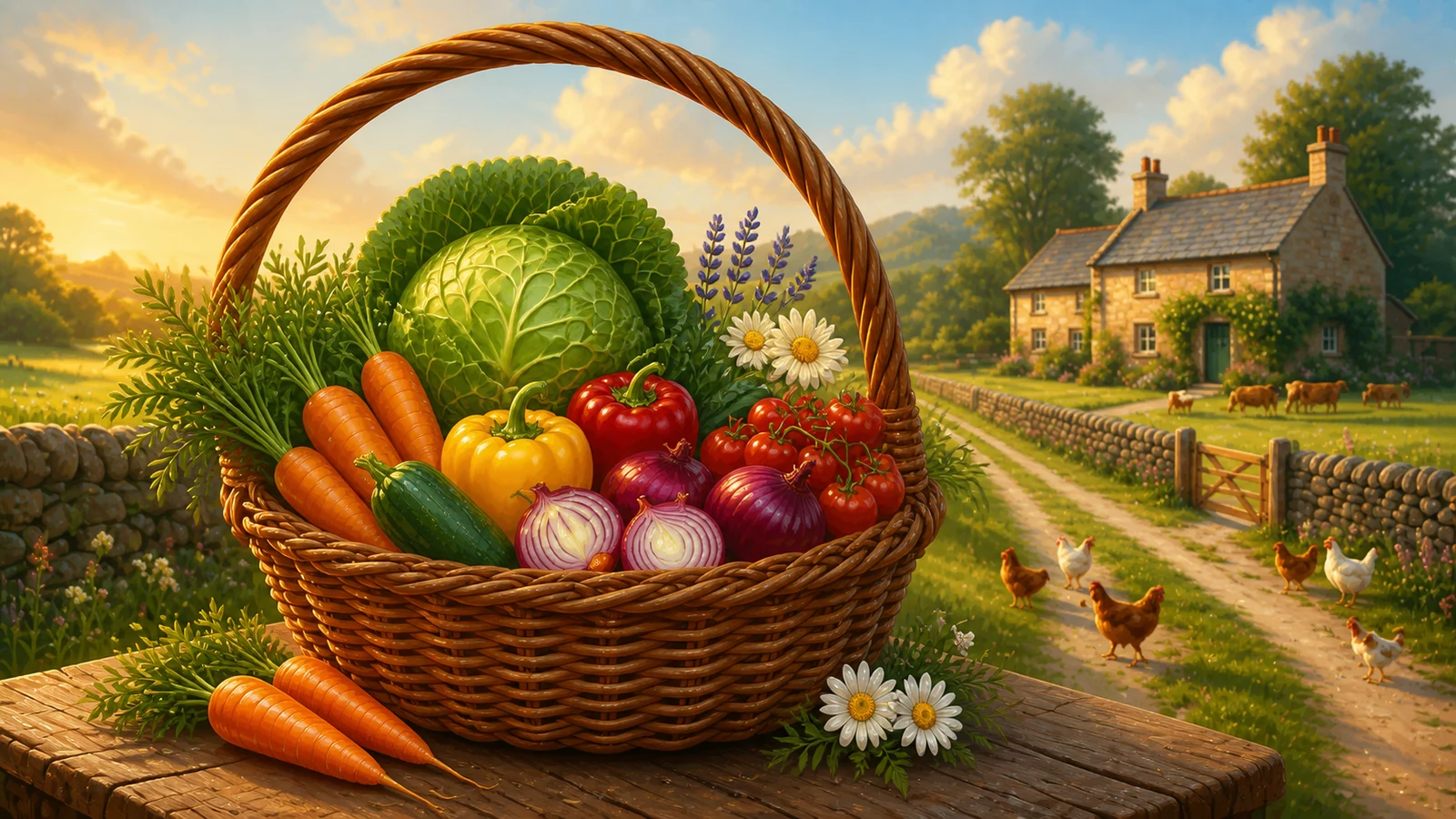
Walk into any modern grocery store and you will see shelves packed with brightly coloured boxes, bags and bottles — all labelled as food. But if you took many of these products back just a hundred years, most people would not recognise them. That raises an important question: if something did not exist as food for most of human history, is it really food at all?
What is food, really?
Real food comes from nature. It is grown, raised or harvested — not engineered. Fresh vegetables and fruit. Meat, eggs and dairy from healthy animals. Natural fats. Traditionally prepared foods like stocks and ferments.
These foods have one thing in common: they nourish the body in a complete and recognisable way. Your body knows what to do with them. Processed foods, by contrast, are often products rather than foods.
The rise of food-like products
Most processed foods are made in factories, not kitchens. They are built from refined sugars, industrial seed oils, isolated starches, and artificial additives and preservatives. Instead of being whole, they are broken down into parts and then reassembled into something new.
This is where we move away from food, and into something else entirely.
The problem is not processing. It is this kind of processing
Not all processing is bad. Traditional methods like fermenting, soaking and slow cooking actually improve nutrition and digestibility.
The issue is modern industrial processing, which strips away nutrients, damages natural fats and proteins, adds synthetic chemicals, and extends shelf life at the cost of health. What you are left with is something that may look and taste like food, but no longer behaves like food in the body.
Your body knows the difference
When you eat real food, nutrients are absorbed efficiently, hunger and fullness signals work properly, and the gut microbiome is supported.
When you eat heavily processed food, the body struggles to break it down, blood sugar spikes and crashes, cravings increase rather than settle, and the gut microbiome can be pushed out of balance. Over time that disconnect shows up not only physically but mentally.
The gut connection
On a healing protocol like GAPS this becomes especially clear. The foundation of GAPS is the understanding that the gut is the gateway between the food you eat and your overall health.
Processed foods feed harmful gut bacteria, irritate the gut lining, and contribute to inflammation. Real, nutrient-dense foods do the opposite — they help restore and rebuild.
Ingredients you cannot recognise
One of the simplest ways to spot a non-food is the ingredient list. If it reads like a chemistry experiment instead of a recipe, that is a red flag.
- Flavour enhancers
- Stabilisers and emulsifiers
- Artificial colours
- “Natural flavours”, which often are not
These are not ingredients your great-grandparents used. In many cases they would not have been considered edible outside of modern industry.
Designed to be difficult to stop eating
Processed foods are not just convenient — they are engineered. Companies design them to hit a particular combination of sugar, salt and fat. The result is what food scientists call hyper-palatability: very easy to overeat, and very hard to stop.
Real food satisfies. Processed food stimulates, and keeps you coming back.
Convenience against cost
Processed foods are marketed as quick and affordable, and in the short term they are. The longer-term cost is energy crashes, chronic cravings, poor digestion and health that erodes slowly enough not to be noticed. Real food asks for more intention and gives back in ways processed food never can.
A return to real food
This is not about perfection. It is about awareness. Start simply: choose foods with few ingredients, cook more meals at home, source good animal products where you can, and add nourishing staples like stock and fermented foods.
The goal is not just to avoid processed food. It is to relearn what real food actually is.
The closer your food is to how it exists in nature, the closer you are to true nourishment. Julia Thoma